
About Nicole

Exploring the mindset, methods, and guardrails behind Nicole’s clear, human-centered intelligence practice.

A meticulously arranged set of three stacked notebooks—white, soft gray, and deep navy—each embossed with a single word: “Observe,” “Question,” “Design.” A fine-line pen rests diagonally across the top notebook, its metal clip catching the light. They sit on a smooth, pale oak table beside a small, geometric frosted-glass paperweight etched with a subtle circuit pattern. Morning light enters from the right, creating clean, elongated shadows and a calm, contemplative atmosphere. Photographic realism with a minimal, high-end aesthetic, shot from a slightly elevated angle with sharp focus throughout, emphasizing the textures of paper, metal, and wood.
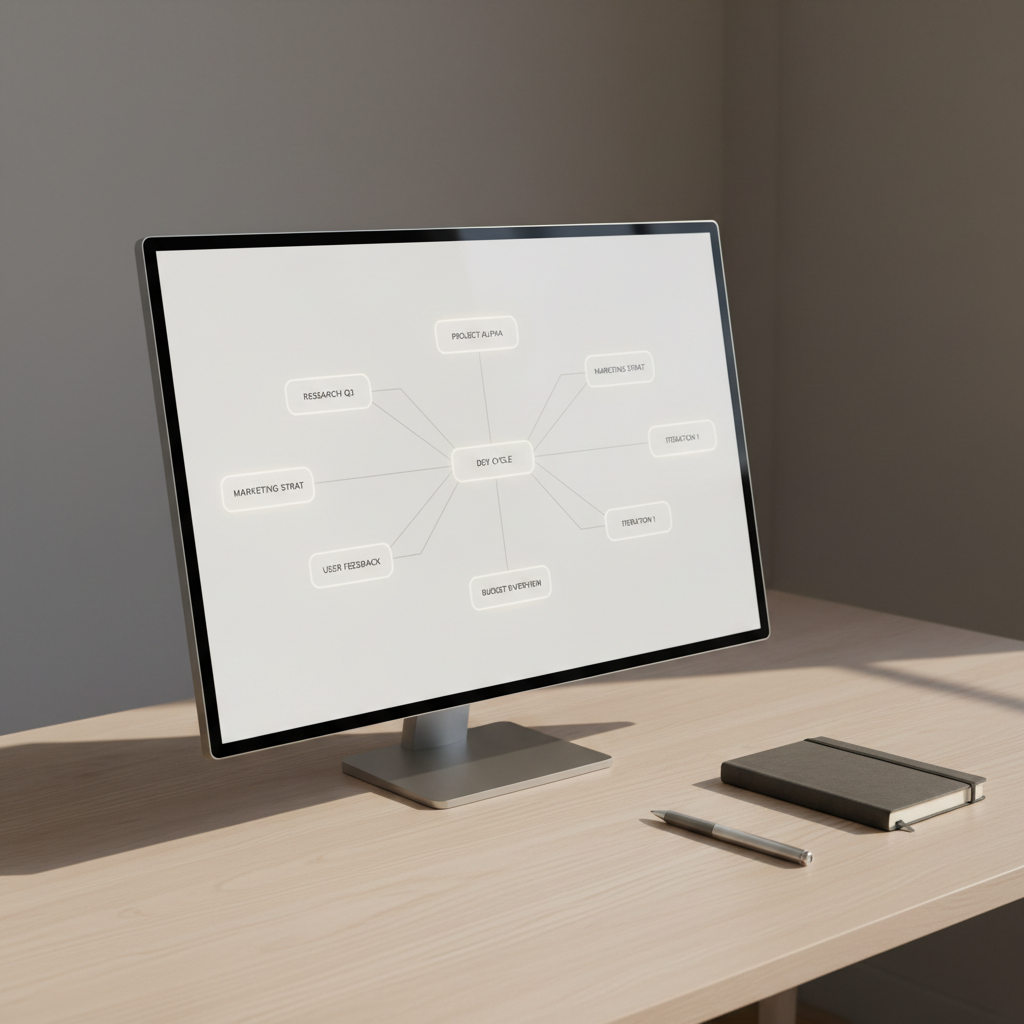
An ultra-organized digital workspace displayed on a thin, frameless monitor, showing a clean interface of interconnected nodes labeled with short, legible phrases, forming a clear, symmetrical network. The monitor stands on a pale wood desk beside a closed graphite notebook and a sleek pen. Soft, diffused afternoon light from the left creates gentle highlights on the screen edge and subtle shadows under the objects. The background is a minimalist studio wall in warm gray, slightly out of focus. Captured in photographic realism from a three-quarter angle, the composition uses the rule of thirds, conveying clarity, quiet focus, and thoughtful, human-centered intelligence.

About Nicole: Clear, Human-Centered Intelligence

Nicole is a strategist, educator, and AI auditor who helps teams turn complex ideas into language people actually understand. Blending learning design, communications, and technical writing, she builds human-centered frameworks that keep AI initiatives accurate, ethical, and genuinely useful.

Frameworks

Nicole’s frameworks translate complex AI work into clear, human-centered maps. For AI auditing, she uses layered canvases that trace a system from data sources and model choices through evaluation methods, risks, and real-world impact, making it easy for teams to see where bias, misinformation, or gaps in governance might appear. For learning design, her process visuals show how objectives, audience needs, and organizational constraints inform content, activity design, and assessment, so stakeholders can quickly understand why each learning element exists and how it supports behavior change. These visual models are flexible: they can live in a slide deck, a whiteboard session, or a detailed documentation hub, giving cross-functional teams a shared reference point for making better, more accountable decisions with AI.
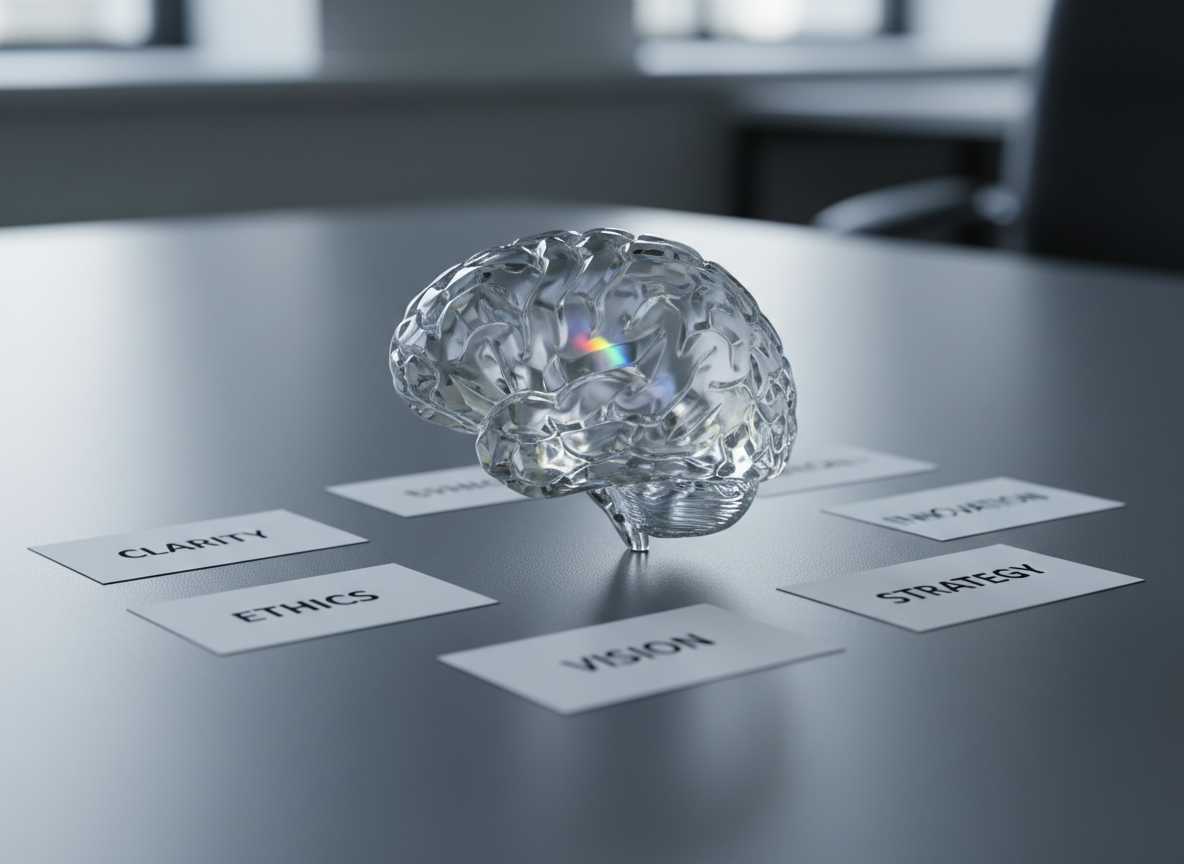
A transparent crystal prism shaped like a brain, its facets sharply defined and flawlessly clear, rests at the center of a matte charcoal desk. Around it lie neatly arranged index cards with crisp, typed keywords like “clarity,” “ethics,” and “impact,” slightly out of focus. Cool daylight from an unseen window washes across the surface, creating delicate reflections and a subtle spectrum of light inside the prism. The mood is intelligent, calm, and precise. Photographic realism with a clean, modern aesthetic, shot at eye level with a shallow depth of field so the prism is in perfect focus while the background fades into a soft, professional blur.